In today’s world of digital chat and communication, handwritten letters, personalised invitations and gift packaging still have special powers. The wax stamp is one of the many traditional stamps that have survived the years, it is indeed one of the most elegant and distinctive of the bunch. Originally crafted for kings, nobles and government officials to verify important documents, wax stamps have also become a popular decorative and branding product and add sophistication and personality to an array of products.
Wax stamps are still utilized for the occasion, craft projects, greeting cards, business packages and weddings today. What they value is their innate power of “taking an ordinary thing and making it extraordinary” quality.
What is a Wax Stamp?
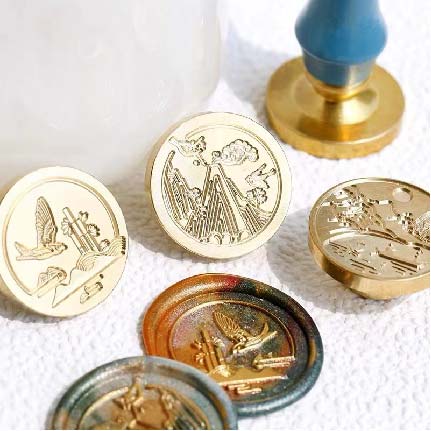
In modern times, however, the wax stamps serve a more aesthetic aesthetic and for creative purpose. Any initials, symbols, logos, crests or artwork can be stamped upon the design, as well as floral or custom art, which will also make each stamp unique.
The History of Wax Stamps
There is a long history of wax seals, which has lasted for thousands of years. Clay, wax and other materials were used by ancient civilisations to make seals which indicated ownership and authenticity.
In the Middle Ages, it was felt that the wax seal was a crucial component in official communication throughout Europe. Wax seals were used by monarchs, government officials, and religion to seal legal documents and letters.
The wax would sometimes have significance, as it might have colour. Red wax was primarily used on official documents, and other coloured wax was used on personal letters and for ceremonial use.
Why Wax Stamps are Still Popular Today
1. Adds a Personal Touch
Another reason why wax stamps are popular is that they can create a personal and thoughtful gesture when including them in any product. A wax seal adds a touch of consideration and perfection to thank you cards or gift wrapping.
For mass-produced products, touch is the “needle” that can make a difference.
2. Enhances Visual Appeal
Paper products and packaging benefit from a wax sealer, which enhances the beauty and elegance. They have a fatted texture and handmade feel that gives them that premium shine and feel.
Wax Stamps are employed in lots of businesses to lift product packaging and help build up a luxury brand image.
3. Designed to be used for special events
Wax stamps are frequently part of the theme of various other events, such as corporations, birthdays, anniversaries and weddings. A custom seal can include initials, event logos, dates or decorative elements that convey the event.
4. Supports Creative Projects
Wax Stamps enable artists, scrapbookers, journalers, and creative types to make various crafts, scrapbooks, journals, and other do-it-yourself items. They enable the artists, or even the hobbyists, to try out various colours, designs and textures.
Types of Wax Stamps
Traditional Wax Stamps
So traditional wax stamping actually requires melting a sealing wax by a flame to impress the stamp into wax. The technique pulls off a realistic and traditional look.
Self-Adhesive Wax Seals
Many people opt for pred-made form adhesive wax seals for ease. Unlike melted wax, these seals are already made and can be placed on envelopes, packages and invitations without any melting wax.
Wax Stamps are used in various ways:
Gift Wrapping
Applying a Wax Seal to gift wrap makes a luxury and thoughtful present that looks extra special.
Certificates and Documents
As authentication is no longer a concern, wax seals are used instead for ceremonial and awards certificates, and official presentations for added prestige.
Handmade Crafts
Wax stamps are utilized for journals, greeting cards, scrapbooks, bookmarks and artistic projects.
Conclusion
The best effect is gained by the use of a fine quality sealing wax and pressing the stamp onto the wax, after it has cooled somewhat. The important thing to repeat is to practice to get beautiful, consistent seals. The beauty of the wax stamp is the perfect blend of history, artistry and personal expression.