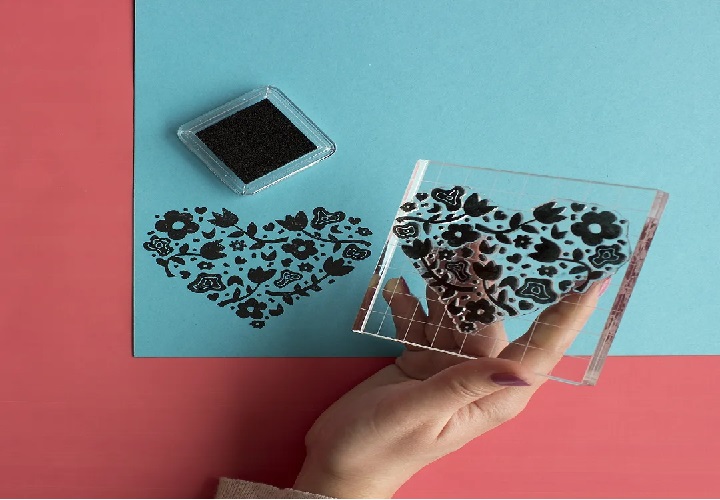
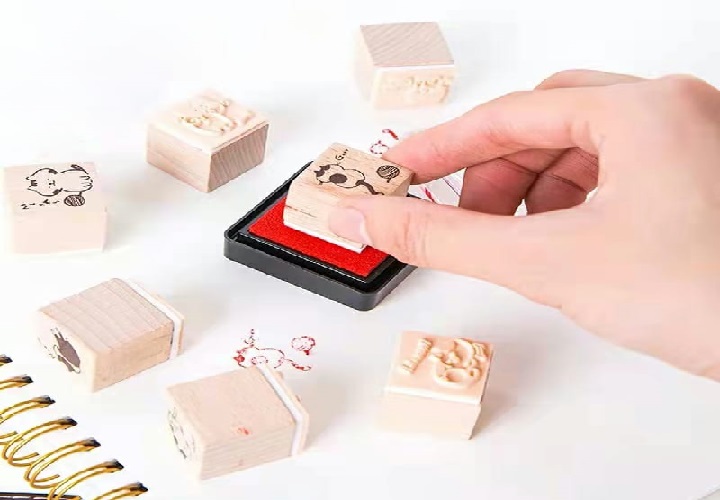
Workplaces and professional spaces require their staff to deliver constant work output while maintaining their operational efficiency standards. The authentication process needs quick solutions to certify document verification which reduces the requirement for manual work. The Rubber Stamp serves as a basic tool that businesses, educational institutions, and government offices use to create official document stamps. The solution enables workers to handle repetitive tasks through swift document approval marking and document labeling and official content addition.
The design and operational capabilities of stamping tools have undergone transformation which results in their improved durability and accurate performance. The tools maintain their value for personal use and administrative functions and commercial use because they offer fast operation with professional results. The analysis of stamping solutions shows organizations how they assist with documentation needs to create effective workflows which save time during their daily operations.
The Importance of Stamps in Professional Workflows
The process of manual documentation becomes inefficient when workers must replicate common information multiple times throughout their workday. The Rubber Stamp provides an effective solution for companies because it enables them to create standard text and date and signature stamps with immediate effect.
Organizations employ stamps to create official records which include document receipts and approval stamps and invoice markings. The system maintains document consistency through its functions which guarantee that vital document elements remain visible and uniformly displayed. The administrative department uses stamps for approval conditions whereas the warehouse department uses stamps to confirm receipt of all products which includes both goods and inventory documentation.
Different Types of Stamps and Their Applications
Stamping tools exist in multiple design variants which functionalize to accomplish various operational requirements. Basic marking functions between hand stamps and their ink pad requirement create the standard framework for hand-operated stamping devices. The stamps possess strong durability which enables users to personalize the design with custom text and logos and design elements.
Self-inking stamps unify both stamping and ink application components within a single device which results in their popularity. The mechanism functions at a faster rate because it requires no extra work for ink pad transfer. Date stamps, address stamps, and signature stamps are widely used in offices where repetitive information needs to be applied regularly.
Benefits of Using Stamps in Business Operations
The Rubber Stamp function serves as a core advantage because it enables users to complete tasks more rapidly. Employees will experience productivity drops when they need to perform repetitive paperwork tasks through traditional methods. The use of stamps enables companies to create document marks which maintain their professional document appearance.
Stamps deliver an additional benefit through their ability to maintain consistent document standards. When the same message or format needs to appear across multiple documents, stamps ensure that the text remains identical each time. The process generates standard document presentation which leads to fewer mistakes in document processing.
Stamps keep gaining popularity because of their low-cost advantages. The basic operational requirement of stamps demands little financial resources thus making them more suitable than sophisticated digital systems. The created items can undergo multiple uses throughout time. This characteristic proves essential for small enterprises and administrative divisions which handle extensive document processing tasks.
Conclusion
Professional documentation has relied on stamping tools since several decades ago because these tools provide practical and efficient solutions to document needs. A Rubber Stamp allows businesses to manage repetitive tasks quickly while maintaining clarity and consistency in official paperwork. The tools help workers complete their daily tasks by providing approval marking and document labeling functions. Stamps today serve offices, schools and warehouses and other workplaces because of their modern design options and durable construction capabilities. The tools maintain their practical value because they offer simple functions at low costs and can work in digital office environments. Organizations that implement stamping tools with effective design into their daily activities will achieve better document organization and faster work processes.